Money in Uzbekistan: Currency, Cards and Travel Costs
The Uzbek so‘m, where Visa and Mastercard work, ATMs and exchange, tipping, and what a day in Uzbekistan costs on a budget, mid-range or comfortable trip.
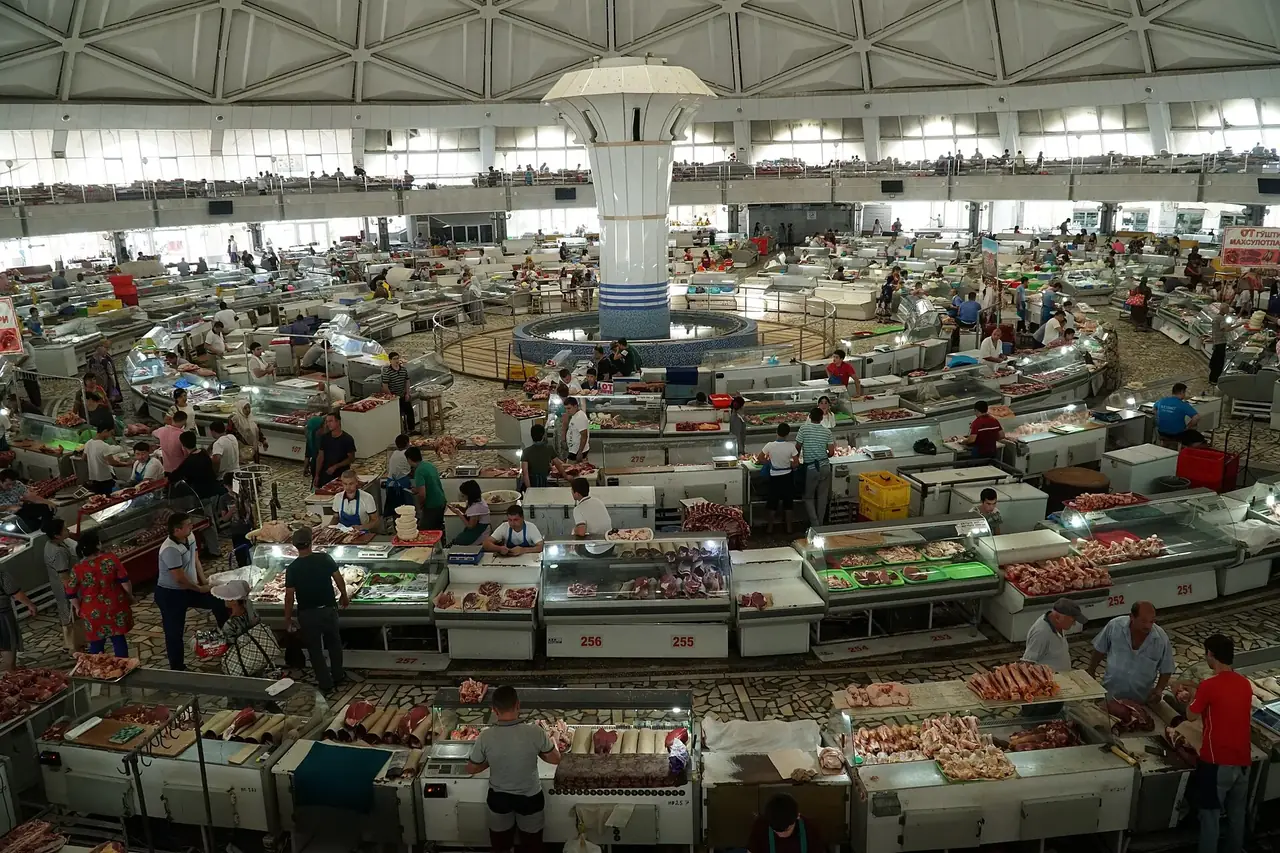
Uzbekistan is good value for travellers, and paying has become much easier in recent years. Here is what you need to know about cash, cards and costs.
The currency: Uzbek so‘m
The national currency is the Uzbek so‘m (UZS). Prices in shops, restaurants and taxis are in so‘m, and by law payments inside the country are made in so‘m — some hotels and tour companies quote prices in US dollars or euros, but you usually pay the equivalent in so‘m or by card.
Because the numbers are large (a coffee can cost tens of thousands of so‘m), prices are often written in thousands: "45 000" or "45k". Check the current exchange rate in a bank app before you travel.
Cards: Visa, Mastercard and local cards
- Visa and Mastercard are accepted in most hotels, larger restaurants, supermarkets, shopping centres, airports and for train tickets, especially in Tashkent, Samarkand and Bukhara.
- Small cafés, bazaars, guesthouses in small towns and taxis often accept only cash or the local cards Uzcard and Humo.
- American Express is rarely accepted.
- Tell your bank before you travel so that your card is not blocked.
ATMs and exchange
- ATMs are easy to find in the cities, at banks, hotels and shopping centres. Most accept Visa and Mastercard and give so‘m; some also give US dollars. Expect a fee from both your bank and the local bank.
- Exchange cash at banks, official exchange offices and at the airport. Bring clean, undamaged US dollar or euro notes — worn or old notes may be refused.
- Do not change money on the street: it is illegal and you risk getting fake or wrong change.
- Keep your exchange receipts, and remember that you cannot take out more foreign currency than you declared on arrival (see our visa and entry guide).
How much cash to carry
Carry enough cash for a day or two: bazaars, taxis, small cafés, entrance tickets at smaller sights and tips. In the big cities you can pay most other things by card. In small towns, the desert and the mountains, cash is essential.
What things cost
Prices change with the season and the exchange rate, so treat these as rough guides:
- Accommodation: a guesthouse or simple hotel from about 20–40 US dollars a night; mid-range hotels about 50–100 dollars; international and boutique hotels from about 120 dollars.
- Food: a meal of plov or shashlik in a local café about 4–8 dollars; dinner in a good restaurant 15–30 dollars per person.
- Transport: city taxi rides usually 1–4 dollars; the Afrosiyob train Tashkent–Samarkand from about 25 dollars in economy (see our train guide).
- Sights: entrance tickets to major monuments are a few dollars each; some museums charge extra for photography.
Daily budgets
- Budget: about 35–50 dollars a day — guesthouses, local food, slower trains.
- Mid-range: about 70–120 dollars a day — comfortable hotels, the Afrosiyob, a guided tour now and then.
- Comfortable: 150 dollars a day and more — boutique hotels, private guides and drivers, domestic flights.
Tipping
Tipping is not obligatory but is appreciated. Many restaurants add a service charge of 10–15 % to the bill — check before you tip extra. Where there is no service charge, rounding up or leaving about 10 % is common. Guides and drivers on a tour are usually tipped at the end.
Bargaining
In bazaars and craft shops bargaining is normal and expected — stay friendly and patient. Prices in supermarkets, cafés with menus and official ticket offices are fixed.
Money tips
- Keep small notes for taxis and bazaars; drivers often have no change.
- Use taxi apps such as Yandex Go to see the price in advance.
- Check the bill for the service charge.
- Have a backup card in case one is declined.
Planning your budget? See which hotels and tours fit it, and read our Uzbekistan travel tips for SIM cards, safety and etiquette.